Trump moves to soften steel, aluminium tariffs after global trade backlash: report
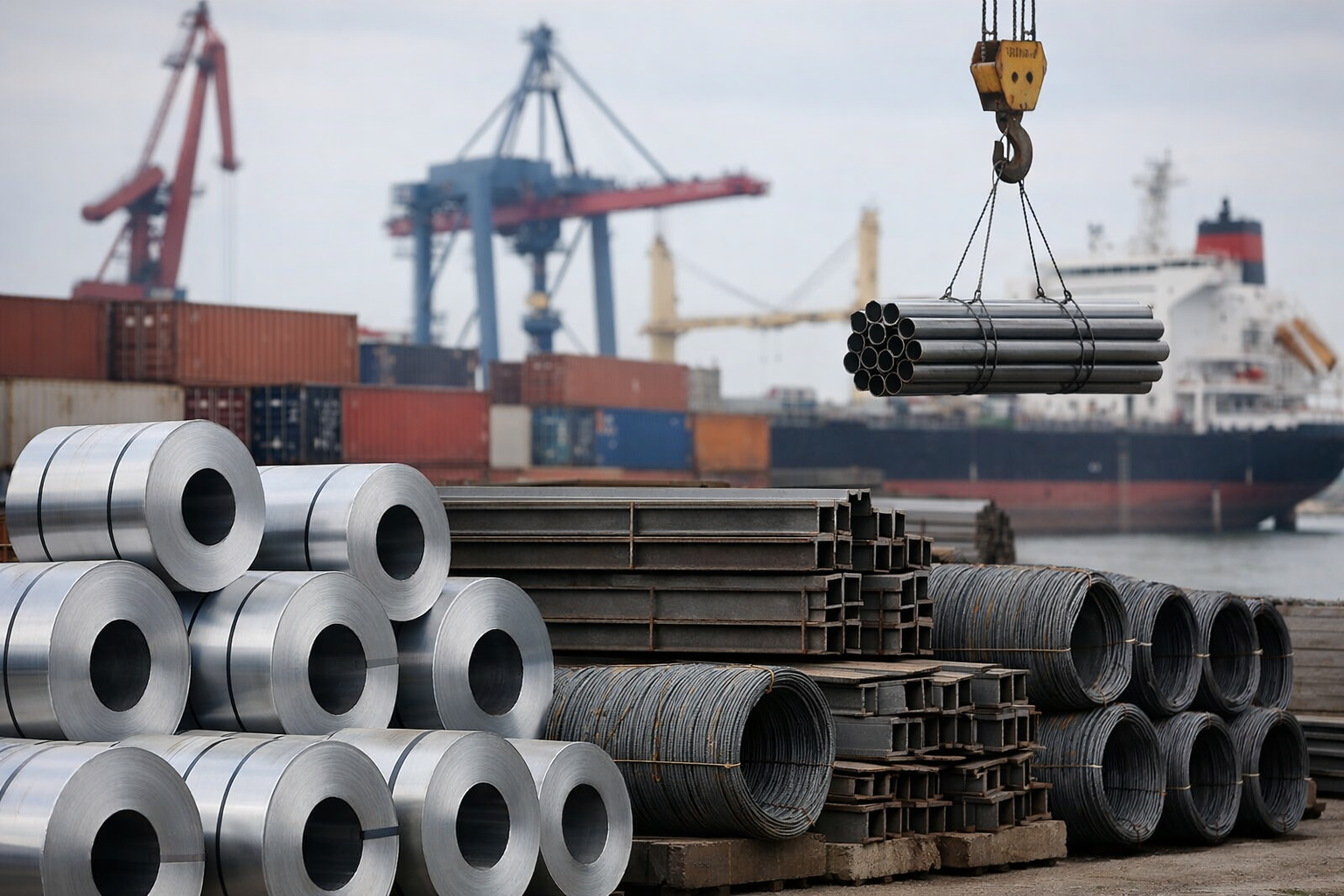
The Trump administration is reportedly preparing to soften parts of its steel and aluminium tariff regime after mounting pressure from businesses, global allies, and lawmakers.
As per a Bloomberg report, officials are reviewing duties imposed last year, especially those covering derivative products made with the metals, which companies say are difficult to calculate and enforce.
The review comes as Washington tries to advance trade negotiations with the European Union and respond to evidence that American consumers and businesses are bearing most of the tariff costs.
The changes are expected to simplify enforcement and ease tensions with trading partners affected by the measures.
Tariff confusion grows
Trade officials at the Office of the US Trade Representative and the Commerce Department are working to narrow the list of goods subject to tariffs of up to 50%, the report added.
The levies were introduced to address Chinese overcapacity but expanded to include hundreds of derivative products, including machinery, packaging materials, and appliances.
Companies have struggled to determine metal content in imported goods, creating enforcement inconsistencies.
The White House has informed businesses that adjustments are being prepared, although no timeline has been announced.
Jamieson Greer, US Trade Representative, acknowledged the challenges during an Atlantic Council forum on Dec. 10 and said officials were working with Customs and Border Protection to improve implementation, notes Bloomberg.
Officials are considering exemptions and halting the expansion of the tariff list while focusing on targeted national security investigations.
The Commerce Department last invited companies to request tariffs on foreign competitors in October, but missed its own 60-day deadline to approve new levies.
EU pressure builds
The tariff review is closely tied to ongoing trade discussions with the European Union.
The EU continues to face a 50% duty on steel, aluminium, and derivative products, complicating the implementation of a broader trade framework negotiated last year.
European officials are concerned that the breadth of tariffs could undermine the agreed 15% tariff ceiling.
Washington has repeatedly updated the list of affected goods, creating uncertainty for exporters.
Other trading partners, including Canada, Mexico, South Korea, and the UK, have also been affected.
In one example, identical machinery shipments entering the US were charged different tariff rates.
Aluminium prices fell in London after reports that Washington was reviewing the tariff programme.
Costs and politics weigh
Economic evidence has intensified scrutiny of the tariffs.
Studies by the Congressional Budget Office and the Federal Reserve Bank of New York found that American businesses and consumers paid nearly 90% of tariff costs in 2025, the report added.
Officials have warned that tariffs will increase prices for everyday goods, including canned food and appliances.
The administration has already provided carve-outs for certain food products to reduce grocery inflation.
Public dissatisfaction has increased political pressure. The Financial Times reports that a Pew Research Center poll found that more than 70% of US adults rated economic conditions as fair or poor.
Political resistance has also emerged in Congress. Members of Trump’s Republican Party joined Democrats in the House of Representatives to oppose tariffs on Canada, although Trump is expected to veto the measure.
Simplifying the tariff regime is expected to reduce compliance burdens and improve clarity for businesses. Scaling back derivative tariffs could also support trade negotiations and reduce tensions with allies.
The post Trump moves to soften steel, aluminium tariffs after global trade backlash: report appeared first on Invezz