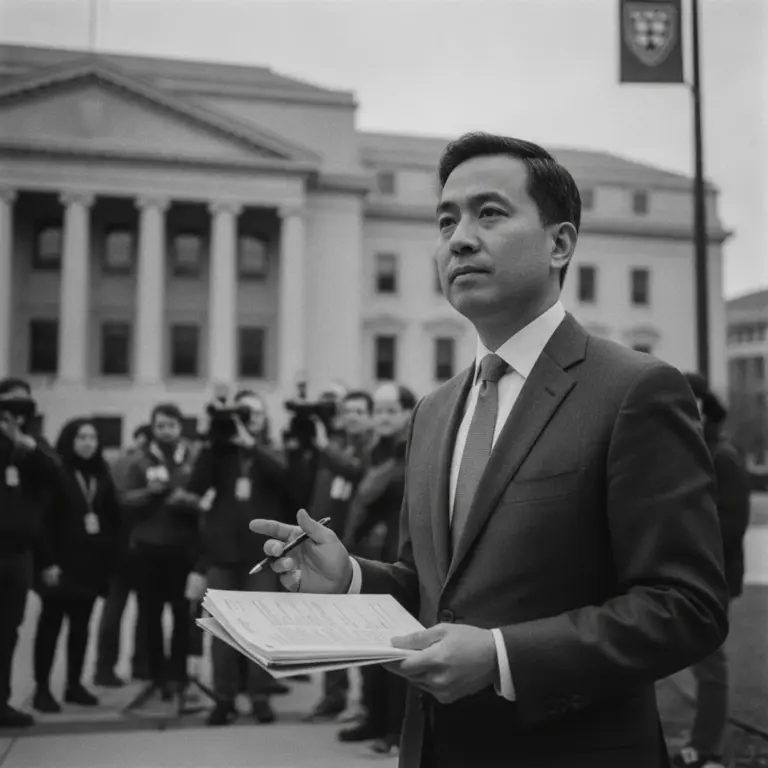
Federal investigators have revealed a stunning breach of judicial integrity involving a Mexican judge who allegedly took two million dollars in bribes to set a high profile drug trafficker free. Luis Benitez Alcantara, forty nine, was reportedly overseeing the extradition process for Andrew Clark, a Canadian national accused of managing a massive narcotics operation. According to the U.S. Department of Justice, Benitez accepted the payoff to release Clark from custody in 2024, though the freedom was short lived as Clark was rearrested just days later and transported to the United States to face charges of drug trafficking and murder.
The case is tied to a sprawling international criminal network allegedly spearheaded by Ryan Wedding, a former Olympic snowboarder turned FBI fugitive. Wedding is accused of coordinating the shipment of cocaine from Latin America into American cities while orchestrating various violent crimes to protect his empire. While Wedding was captured in Mexico earlier this year and has since pleaded not guilty in a California court, the fallout from his organization continues to trigger arrests across borders.
Benitez was apprehended this past Sunday in Colombia and currently faces a nine count indictment for acting as an accessory after the fact. U.S. Attorney General Todd Blanche issued a stern warning alongside the announcement, stating that crooked public officials who aid traffickers will be held accountable regardless of their location or status. The U.S. government is now seeking Benitez’s formal extradition from Colombia to stand trial on American soil.
This development marks another chapter in an aggressive crackdown on Wedding’s syndicate that has already seen dozens of associates detained globally. Beyond the arrests, law enforcement agencies have seized mountains of weaponry and narcotics along with luxury assets including fine art, jewelry, and expensive vehicles totaling millions of dollars. Legal representatives for Andrew Clark have not yet commented on these latest allegations against the presiding judge.