Oil has had a poor month for bulls and a good week. Brent futures settled at $96.57 a barrel on Thursday, their highest since November 6, and are heading for a first weekly gain in four weeks, according to Reuters and CNBC.
The comfortable view is that the war premium is draining away as Gulf barrels return. I think that is premature. My argument is that the International Energy Agency’s surplus is a forecast, while the Strait of Hormuz is a physical constraint. The market is right to keep Brent in the $90s until it eases.
Consider this week’s events. On Wednesday, the Iran-aligned Houthis said they had attacked Ras Tanura, Saudi Arabia’s largest refinery and a major export hub.
On Thursday, a projectile struck Saudi Aramco’s Jazan refinery, halting some operations and killing a Nepalese worker, the Saudi Energy Ministry said.
Iran’s Revolutionary Guards also said two tankers hit sea mines north of Oman’s Khasab port, one carrying more than 2 million barrels of crude. Early reports described that claim as unverified.
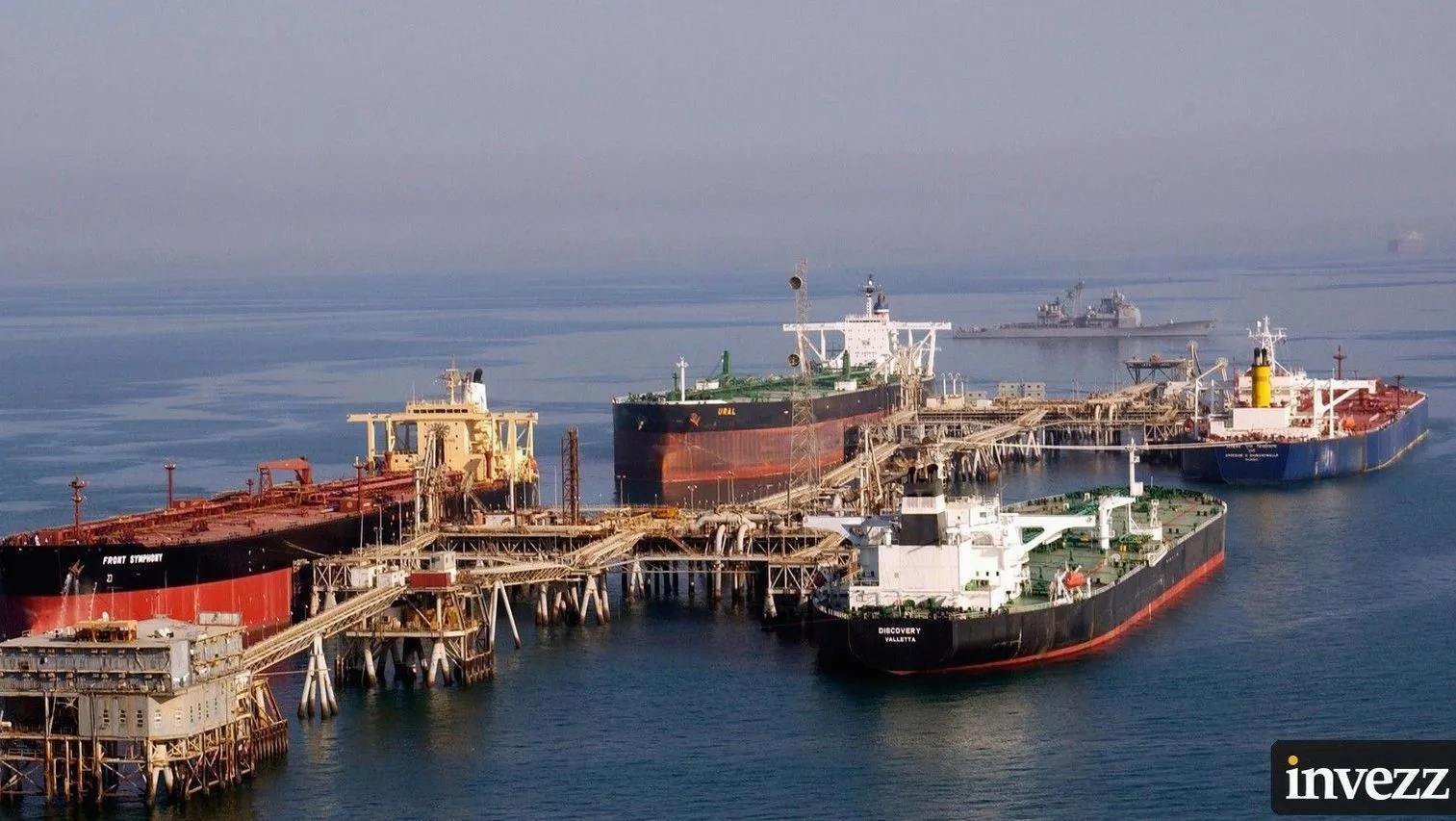
Flows tell the same story. Kpler data show Hormuz clearance averaged 9.25 million barrels a day in the seven days to November 24, about 54% of the pre-war 17.14 million, The National reported.
The strongest counterargument deserves a fair hearing. On November 13, the IEA said global supply would exceed demand by 1.7 million barrels a day in the fourth quarter, the first surplus since the Iran war began. It put the 2027 surplus at about 3.8 million.
Prices have already responded: North Sea Dated crude fell 32% from $136 on October 8 to about $93, the agency said. High prices have also destroyed demand, which the IEA expects to fall by 2.7 million barrels a day this year.
A market that long of oil, the bears say, should not pay a war premium.
We see three reasons to be sceptical. First, the surplus depends on Gulf exports continuing to recover. The IEA itself lists attacks on shipping as a downside risk, and this week showed how quickly it can return.
Second, products are tighter than crude. The IEA calls diesel supply the market’s overriding concern, with Gulf product exports roughly half pre-war levels. European diesel futures have fallen almost 30% from their wartime peak, Bloomberg reported, so the squeeze is easing, not over.
Third, the cushion is thin. Rory Johnston of Commodity Context pointed to “known, acute risk” to roughly 15% of global supply and said Brent was oversold below $90. ANZ analysts think it can still push above $100 without another major escalation, though that requires evidence of constrained deliverable supply.
OPEC+ offers little help. Ministers meet on Sunday and may roll over output targets for at least the first quarter of 2027, two people with knowledge of the talks told Reuters. The UAE has left the group, and Iraq and Kazakhstan are pressing for higher capacity estimates.
The stakes reach beyond energy stocks. Futures imply a 99% chance of a Federal Reserve rate rise in December, according to Reuters, and oil in the $90s makes that central bank’s task harder, not easier.
For investors, the implication is volatility rather than a clean trend. We expect surplus data to cap rallies when tankers move freely, and Gulf headlines to drive spikes when they do not. Even after its fall, Dated Brent was still $22 above pre-war levels, the IEA said. This is analysis, not a recommendation.
What to watch next? Sunday’s OPEC+ decision, and whether Kpler’s Hormuz clearance climbs back above 9.25 million barrels a day. Watch the IEA’s next monthly report for any change to its surplus forecast, and diesel prices for signs that product tightness is easing.
Also watch the Fed meeting on December 8-9, 2026, where oil’s pass-through to inflation will be on the table.
The test of this view is simple. If Brent falls back below $90 while Hormuz flows are still near half of pre-war levels, we are wrong.
AI disclosure: AI tools assisted with research and drafting of this piece. An Invezz editor reviewed the facts, sources and wording before publication. Any opinions or analysis are Invezz’s, not those of an automated system.
The post Opinion: Oil’s surplus will not erase the Hormuz risk premium appeared first on Invezz