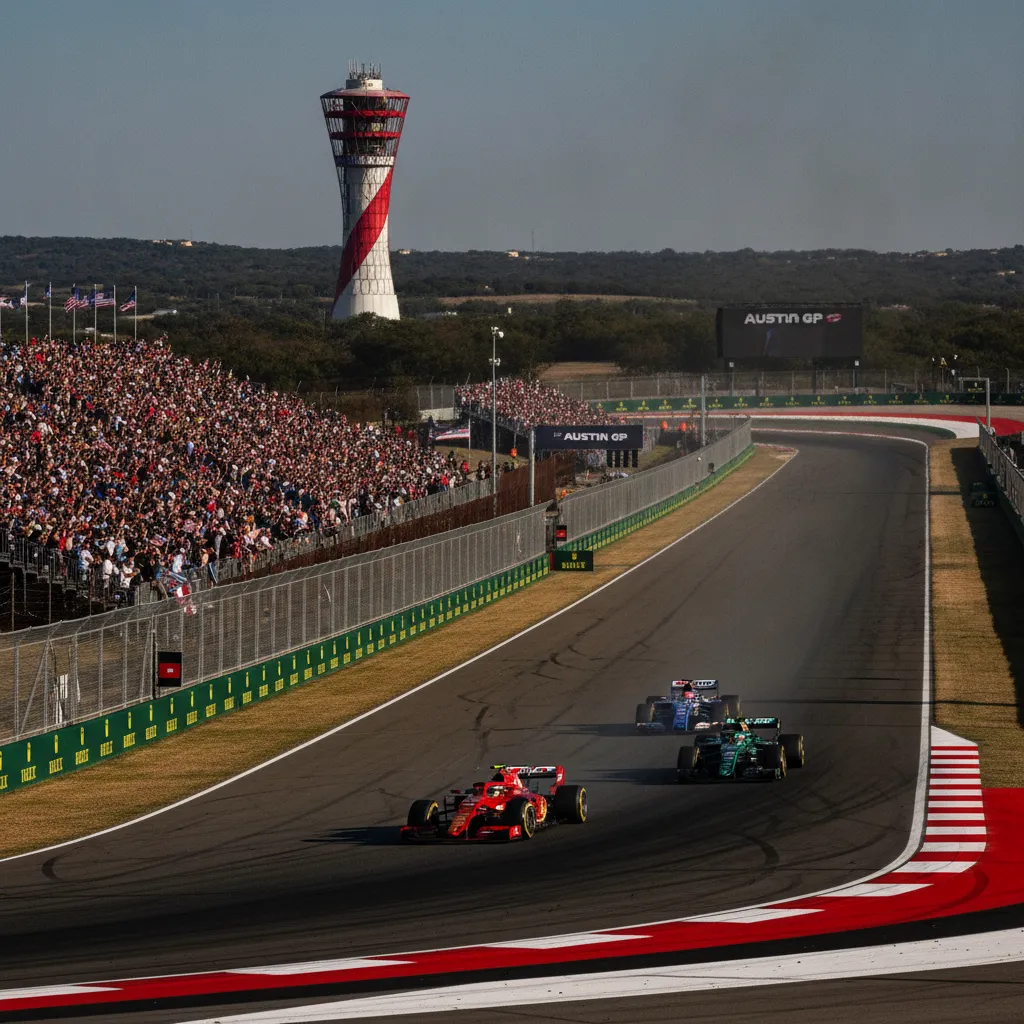
Formula 1 returns to the heart of Texas this weekend for the United States Grand Prix in Austin, a venue that has cemented itself as a fan favorite since first appearing on the calendar in 2012. This stop marks just one part of a growing American footprint for the sport, which now boasts three distinct events including the glitz of Miami in May and the neon lights of Las Vegas come November. While current momentum is high, largely fueled by the cultural surge brought on by Netflix’s Drive to Survive, the relationship between Formula 1 and the United States has historically been a rollercoaster of extremes.
Looking back through the archives reveals a checkered past where some ventures became legendary while others faded into eccentricity. From the hallowed grounds of Indianapolis and Watkins Glen to the sun drenched stretch of Long Beach, the U.S. has hosted everything from purpose built road courses to makeshift street circuits. Perhaps most surreal was the era when cars tore through the parking lot of Caesars Palace, creating imagery that feels more like a fever dream than a professional sporting event.
As we prepare for another clash in Austin, reflecting on these eleven different host cities offers a glimpse into how F1 evolved from a niche European export into a mainstream American spectacle. Whether it was the raw speed of Dallas or the classic charm of earlier eras, each location contributed something unique to the tapestry of global racing. These visual milestones serve as a reminder that while today’s races are polished corporate productions, they stand on a foundation of daring experiments and historic risks across North America.