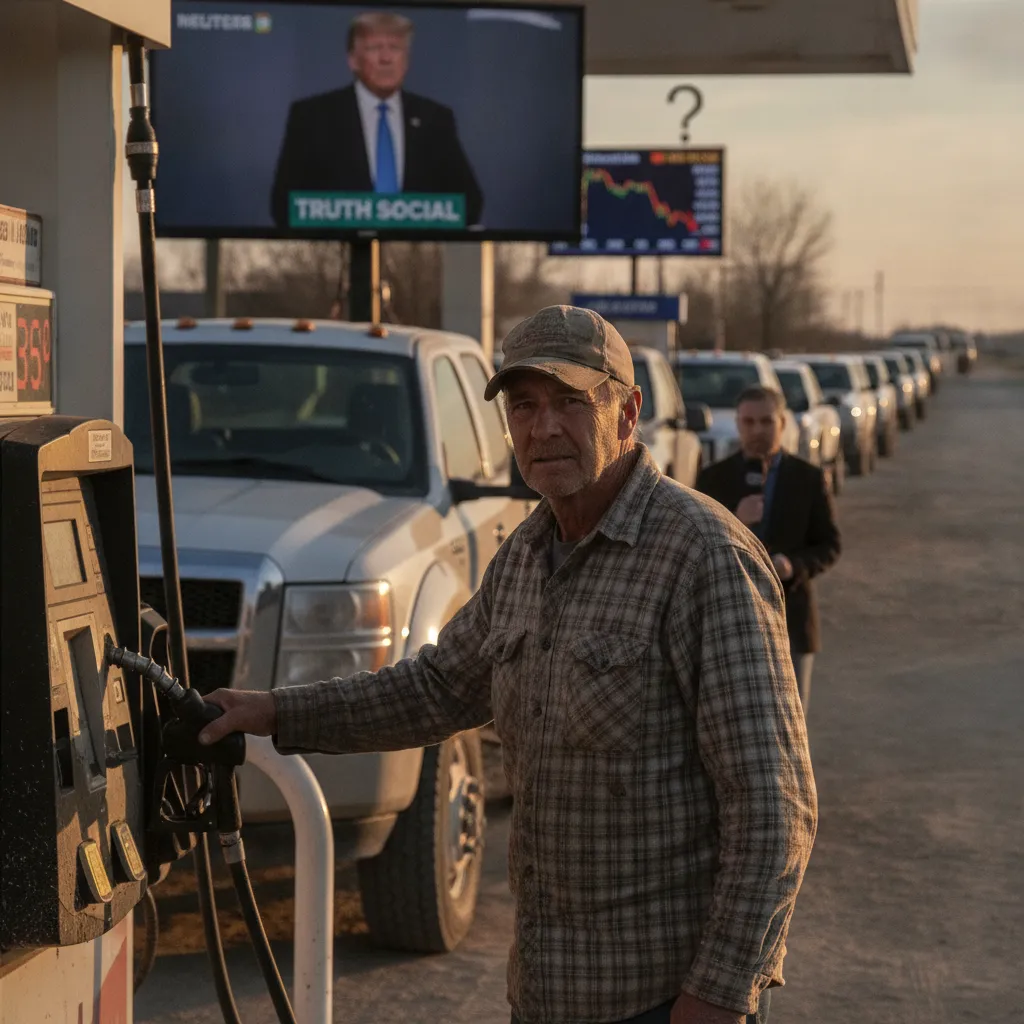
President Trump has announced a sudden reversal in U.S. policy, granting licenses for the import of Russian diesel in an effort to combat soaring fuel costs that have hit American farmers and truckers hard. On Truth Social, the president claimed that Russia would immediately supply hundreds of thousands of tons of diesel, promising that prices would come down in record numbers. This marks a sharp departure from previous sanctions imposed during the war in Ukraine, coming at a time when domestic diesel averages have surged well above three dollars a gallon, reaching staggering highs in states like California.
Despite the optimism from the White House, many energy analysts believe the move will do little to actually lower costs for consumers. Critics argue that since Russia already sells diesel globally, diverting those shipments to the U.S. simply forces other countries to look elsewhere, keeping overall global prices stagnant. Furthermore, there are serious doubts about whether Russia can even deliver on these promises given that Ukrainian strikes have significantly crippled Russian refining capacity over recent months. Some experts suggest the promised volumes are too small to meaningfully shift a global market that consumes millions of tons of fuel every single day.
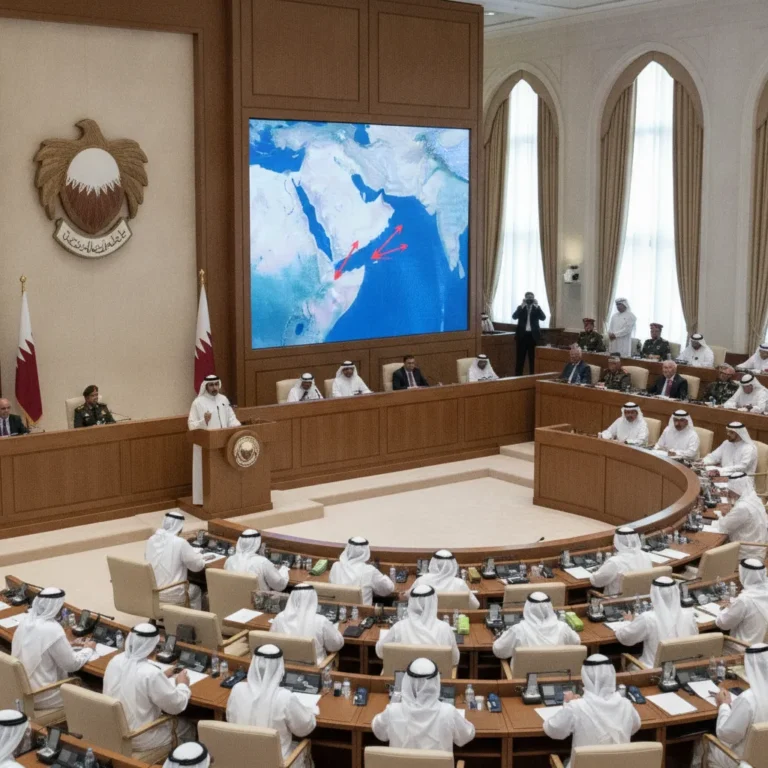
The policy shift has also sparked a political firestorm, with a bipartisan group of senators urging the administration to reverse course immediately. Lawmakers argue that providing Vladimir Putin with a financial lifeline while he continues his invasion of Ukraine is morally and strategically unsound. Beyond the ethics, economists note that these imports cannot offset the larger systemic shocks caused by conflicts in the Middle East and instability near the Strait of Hormuz, which continue to choke off crude production and refined product availability worldwide.
While some specialists admit that adding any amount of fuel might slightly take the edge off peak pricing, most agree it won’t lead to a substantial drop. To fight inflation and rising transport costs, the administration has tried several levers including releasing oil from strategic reserves and expanding access to tax free dyed diesel for agricultural use. However, until broader geopolitical tensions subside or refining capacity recovers globally, analysts warn that relief at the pump may remain elusive regardless of where the fuel originates.