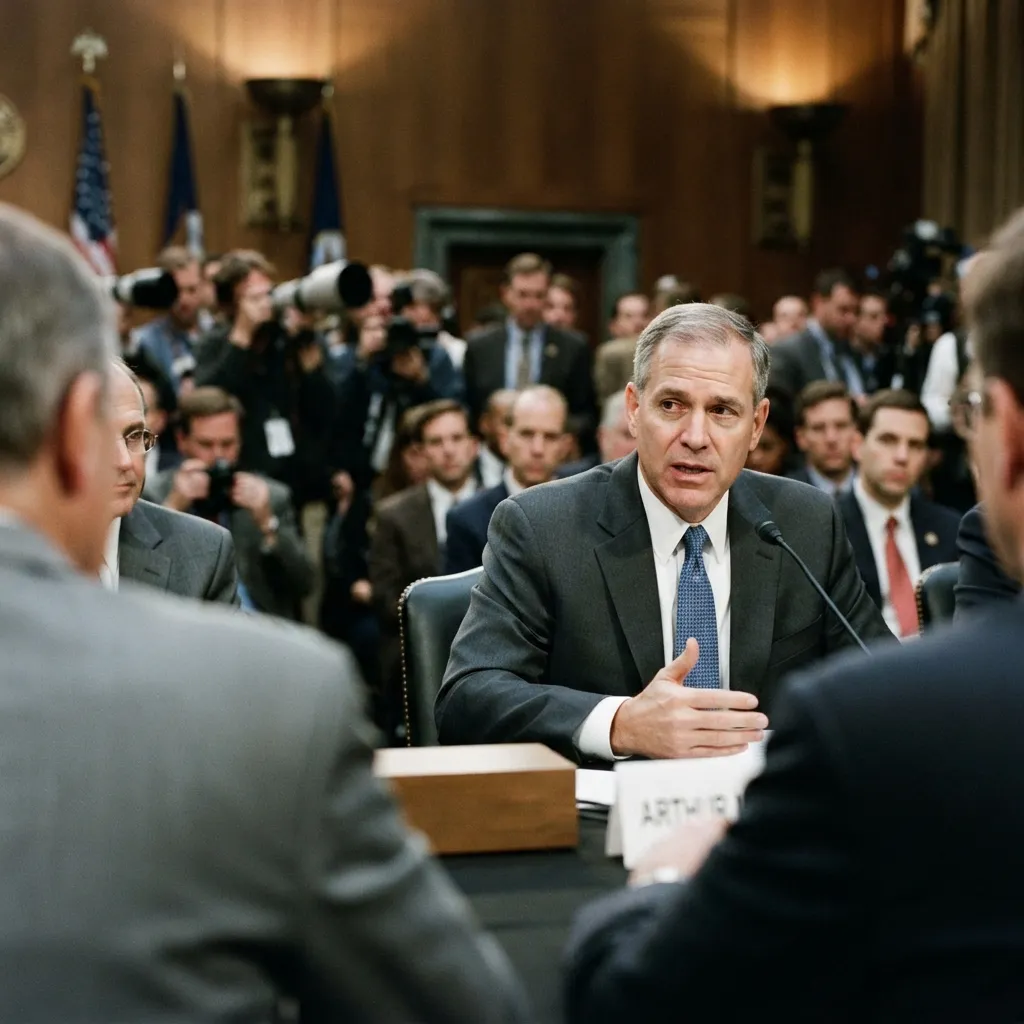
The financial burden of the United States’ military campaign in Iran has surged past 48.3 billion dollars, according to recent testimony provided to the Senate Armed Services Committee. Arthur Miller, a Pentagon budgetary official appearing before the committee during his nomination process for Navy comptroller, revealed that this staggering sum covers basic operational expenses, munitions, and equipment. However, he clarified that this figure does not include the extensive damage dealt to American assets throughout the Middle East, leaving the true total significantly higher.
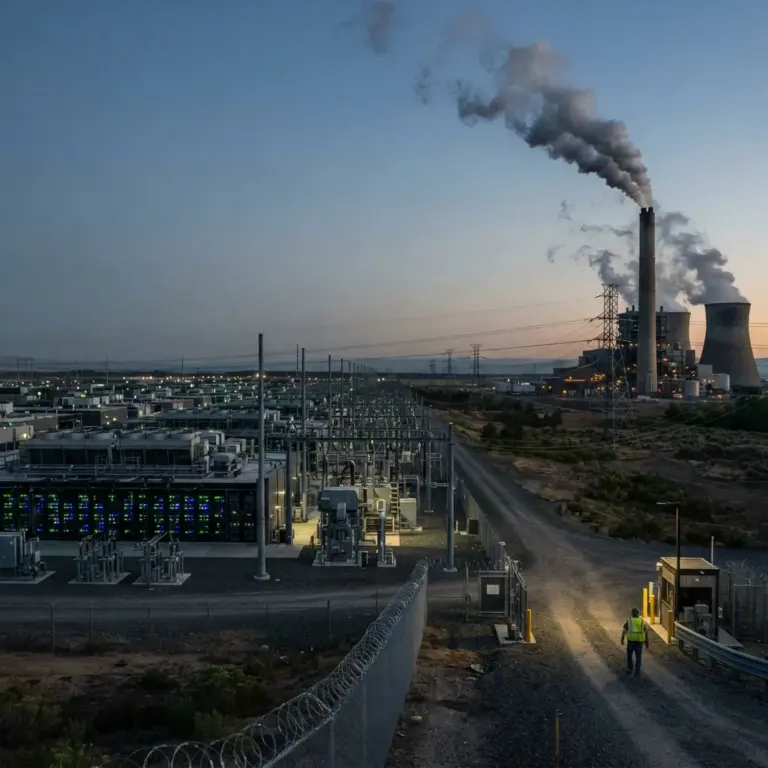
Lawmakers expressed frustration during the hearing as Miller was unable to provide a concrete estimate for the repair costs of damaged U.S. infrastructure. While reports from agencies like the Associated Press highlight widespread destruction of radar systems, barracks, and aircraft hangars, precise numbers remain elusive. Some estimates suggest the toll is severe, with previous reports citing damages between 5 billion and 15 billion dollars, while independent think tanks claim building repairs alone exceed 4 billion dollars.
This fiscal revelation comes at a time of high political tension regarding how the conflict began and where it is headed. Launched by Donald Trump without congressional authorization back in February, the operation continues despite administration claims that victory is near or that it should not even be classified as a full scale war. Beyond the immediate military spending, the global economy remains under pressure due to the continued closure of the Strait of Hormuz, a strategic bottleneck impacted directly by these hostilities.
Looking ahead, the White House is pushing for a massive increase in defense spending through a proposed 1.5 trillion dollar budget for 2027. This request represents a forty percent jump over previous funding levels intended to sustain current military commitments. Despite these requests, analysts believe such an expansive budget faces an uphill battle now that Democrats have seized control of both houses of Congress following the midterm elections.