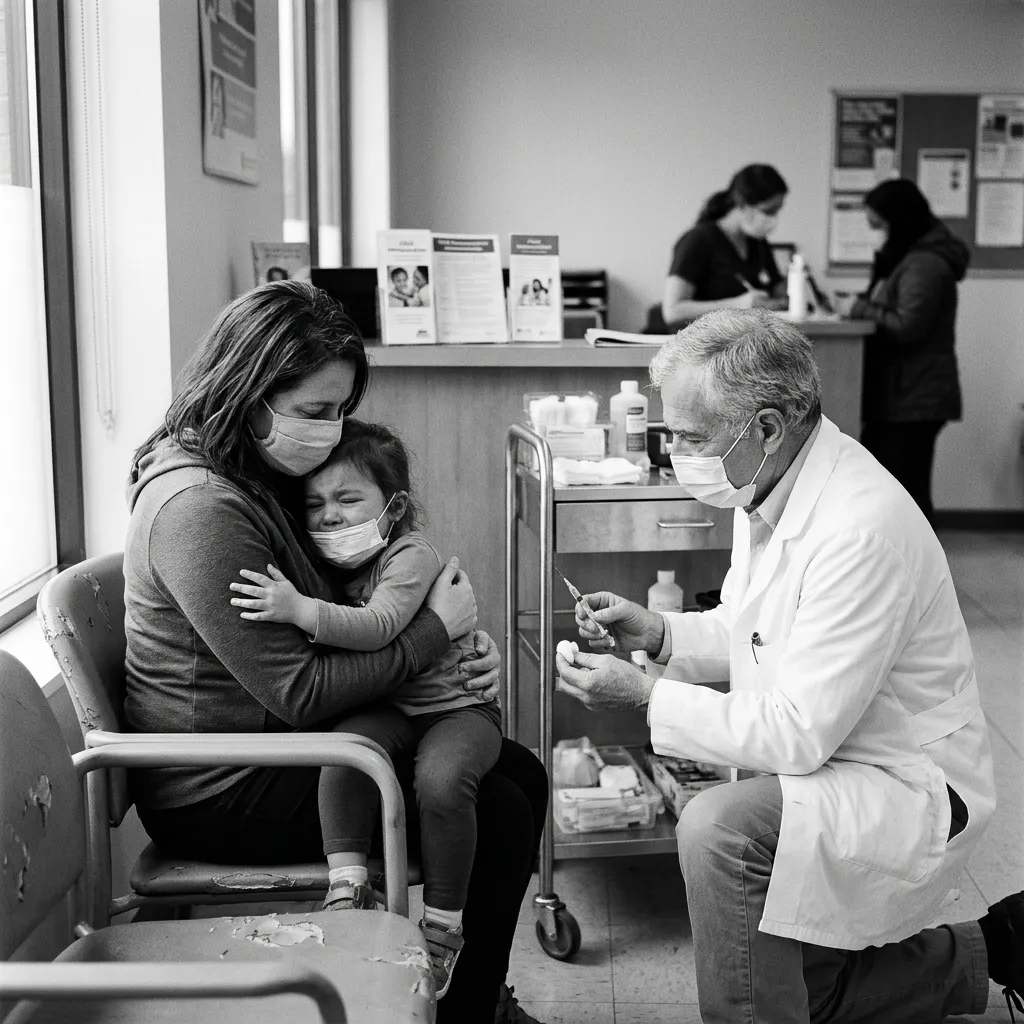
The United States is facing a sobering public health crossroads as recent spikes in measles cases threaten to undo decades of medical progress. Once considered a victory of modern medicine, the effort to keep the virus at bay has faltered to such an extent that officials warn the country could lose its official status as a nation that has eliminated the disease. What was once a rare occurrence in American clinics has become a growing concern for doctors and policymakers alike.
This resurgence comes as a stark reminder of why healthcare leaders spent years rushing to eradicate the virus twenty five years ago. According to data from the Centers for Disease Control and Prevention, measles is far more than just a childhood rash; it remains a potentially life threatening illness. In severe instances, the virus can lead to devastating complications including pneumonia, brain swelling known as encephalitis, and hospitalizations, while also posing grave risks such as miscarriage for pregnant women.
As providers like those in Florida continue to administer vaccinations in an effort to stem the tide, the current trend highlights a fragile gap in community immunity. The shift back toward widespread infection suggests that previous successes were not permanent guarantees but required constant vigilance. Now, the push to vaccinate is no longer just about individual protection but about preventing a full scale reversal of one of the most significant achievements in U.S. public health history.